

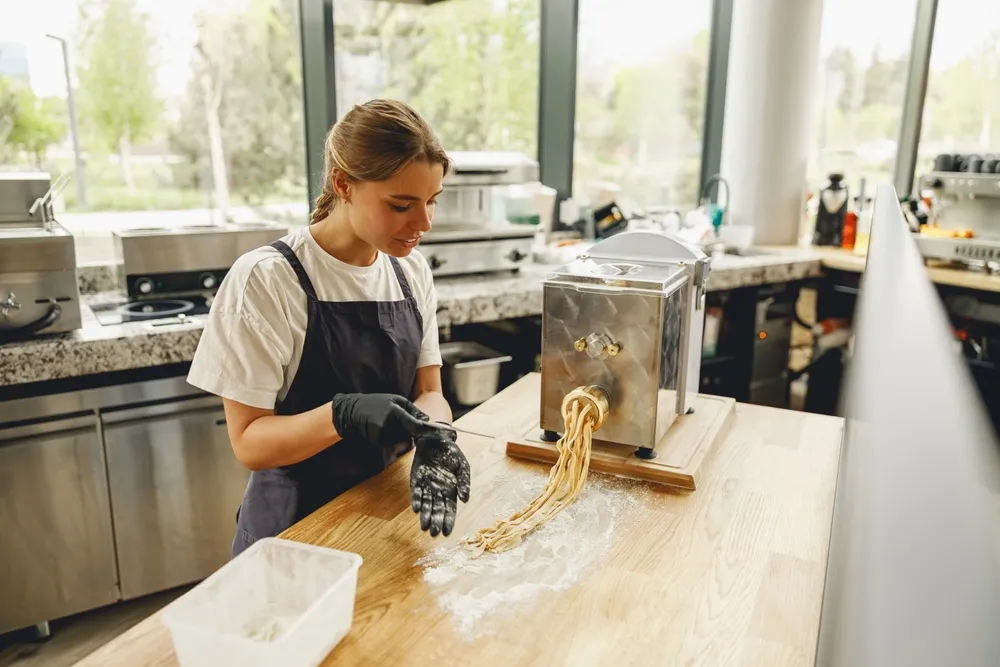
You don’t need to live in Rome to enjoy authentic Roman pasta. What you do need is the right approach. Roman cooking isn’t about complicated techniques or long ingredient lists it’s about simplicity, quality, and precision.
If you understand a few key principles, you can recreate the real taste of Rome in your own kitchen.
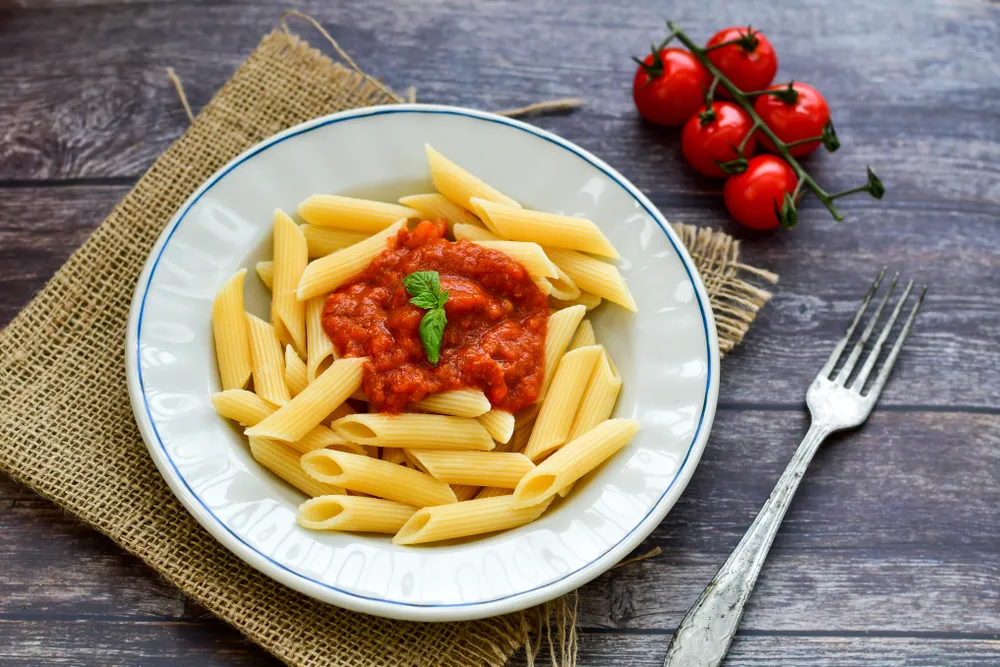
Keep It Simple: The Roman Philosophy
Roman cuisine follows a simple rule less is more. Most traditional dishes use only a handful of ingredients, but each one plays an important role.
Take classic dishes like:
- Carbonara
- Cacio e Pepe
- Amatriciana
- Gricia
They rely on just a few components, but when done correctly, they deliver deep, rich flavors.
The goal isn’t to add more it’s to do less, better.
Start with Quality Ingredients
The foundation of authentic Roman pasta is quality ingredients. Without them, even the best technique won’t give you the right result.
Essential Ingredients
- Pecorino Romano DOP – sharp and salty
- Guanciale – rich and flavorful
- Fresh eggs – for texture and color
- Durum wheat pasta – for structure
Each ingredient contributes to the final dish. Substituting them may seem convenient, but it changes the flavor significantly.
Master the Basics of Pasta Cooking
Before focusing on sauces, it’s important to get the basics right.
Salt Your Water Properly
Your pasta water should taste like the sea. This is your first layer of seasoning.
Cook Pasta Al Dente
Roman pasta should have a slight bite. Overcooked pasta loses texture and won’t hold the sauce properly.
Save Pasta Water
The starchy water helps bind sauces and creates the creamy texture found in Roman dishes.
Learn the Core Roman Techniques
Cooking Roman pasta is more about technique than ingredients.
Emulsification
This is the process of combining pasta water, cheese, and fat to create a smooth sauce.
Temperature Control
Many Roman dishes, especially carbonara, require removing the pan from heat before adding certain ingredients.
Timing
Everything should come together quickly. Once the pasta is ready, you need to act fast.
Cook the Sauce the Right Way
Unlike many other cuisines, Roman sauces are not heavy or overly complex.
Carbonara
A creamy texture created without cream just eggs, pecorino, and pasta water.
Cacio e Pepe
A balance of cheese and pepper, requiring careful mixing to avoid clumping.
Amatriciana
A tomato-based sauce that relies on guanciale for depth.
Each dish follows its own method, but all require attention to detail.
Common Mistakes to Avoid
Even small mistakes can affect the final dish.
Adding Cream
Not part of traditional recipes.
Using the Wrong Ingredients
Substitutes change the flavor.
Overheating the Sauce
Leads to broken or scrambled textures.
Ignoring Pasta Water
This is essential for creating the right consistency.
Practice and Patience
Roman pasta isn’t difficult, but it requires practice. Your first attempt may not be perfect—and that’s normal.
With each try:
- Your timing improves
- Your technique becomes more natural
- Your confidence grows
Cooking is a skill, and like any skill, it develops over time.
Bringing Rome into Your Kitchen
You don’t need a professional kitchen to cook authentic Italian food. What matters is your approach.
Focus on:
- Simplicity
- Quality ingredients
- Proper technique
When you respect these principles, you’ll notice a big difference in your cooking.
Final Thoughts
Cooking authentic Roman pasta at home is completely achievable. It’s not about copying recipes it’s about understanding how they work.
Once you master the basics, you’ll be able to recreate the flavors of Rome wherever you are.
And the best part? It all starts with a few simple ingredients and the willingness to learn.