
🍝 Authentic Roman Cooking
Learn Traditional Roman Pasta Recipes & Cooking Classes
Learn to prepare iconic Roman dishes like Carbonara, Cacio e Pepe, Amatriciana, and Gricia with step-by-step guidance and hands-on cooking classes in Rome.
- Free Recipes
- Video Tutorials
- Expert Chefs
- Book Classes
Classic Roman Pasta Recipes
Learn the four iconic Roman pasta dishes that represent the heart of traditional Italian cuisine.
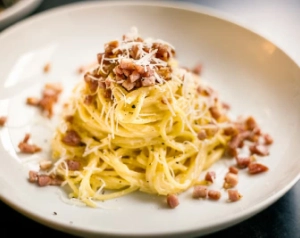
Carbonara Recipe
Authentic Roman carbonara made with guanciale, pecorino cheese, eggs, and black pepper.
- 20 mins
- 4 servings
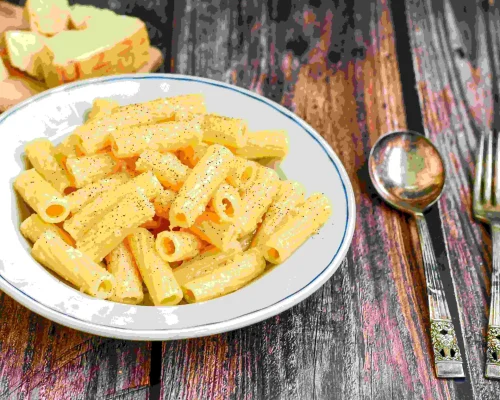
Cacio e Pepe
A simple yet rich dish with pecorino romano cheese and freshly ground black pepper.
- 15 mins
- 4 servings
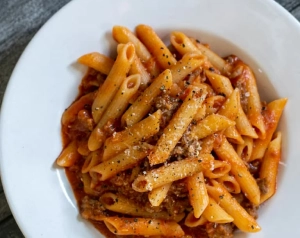
Amatriciana
A flavorful tomato-based pasta with guanciale, pecorino, and a hint of chili pepper.
- 30 mins
- 4 servings

Gricia Recipe
Often called the “white amatriciana,” made with guanciale, pecorino, and black pepper.
- 20 mins
- 4 servings
Master Traditional Roman Pasta
Discover four essential recipes every Italian food enthusiast should learn.

Authentic Carbonara Recipe
Learn to prepare classic Roman carbonara with crispy guanciale, creamy egg sauce, and pecorino romano. No cream—just traditional flavors passed down through generations.
- 20 minutes
- Serves 4
- Intermediate
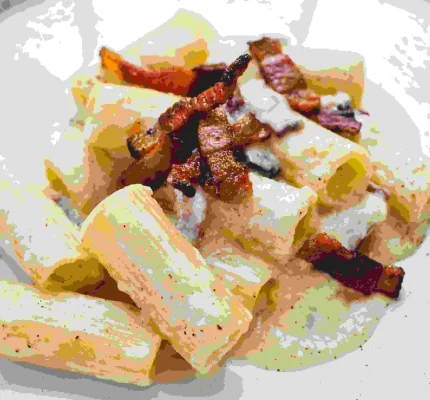
Cacio e Pepe Recipe
Master the technique behind this iconic dish using only pecorino romano, black pepper, and pasta water. A simple yet refined Roman favorite.
- 15 minutes
- Serves 4
- Advanced
Book Roman Cooking Classes
Learn authentic Roman dishes hands-on with experienced chefs in the heart of Rome.
Carbonara Cooking Class
Perfect your carbonara skills using traditional Roman techniques with expert guidance.
€85
4 Pasta Cooking Class
Learn to prepare four classic Roman pasta dishes in a single immersive session.
€120
Private Cooking Class
Enjoy a personalized Roman cooking experience tailored to your preferences and group.
€180
Learn Roman Cooking in Rome
Join our hands-on cooking classes and master authentic Roman pasta recipes with skilled local chefs. Enjoy small group sessions, personalized instruction, and a truly immersive culinary experience.
- Experienced Roman chefs with traditional recipes
- Small group classes (up to 12 participants)
- All ingredients and equipment provided
- Take-home recipe book included
Essential Roman Pasta Ingredients
Traditional ingredients that define authentic Roman pasta recipes.
Guanciale
Cured pork cheek

Pecorino Romano
Sheep's milk cheese
Fresh Eggs
Free-range quality
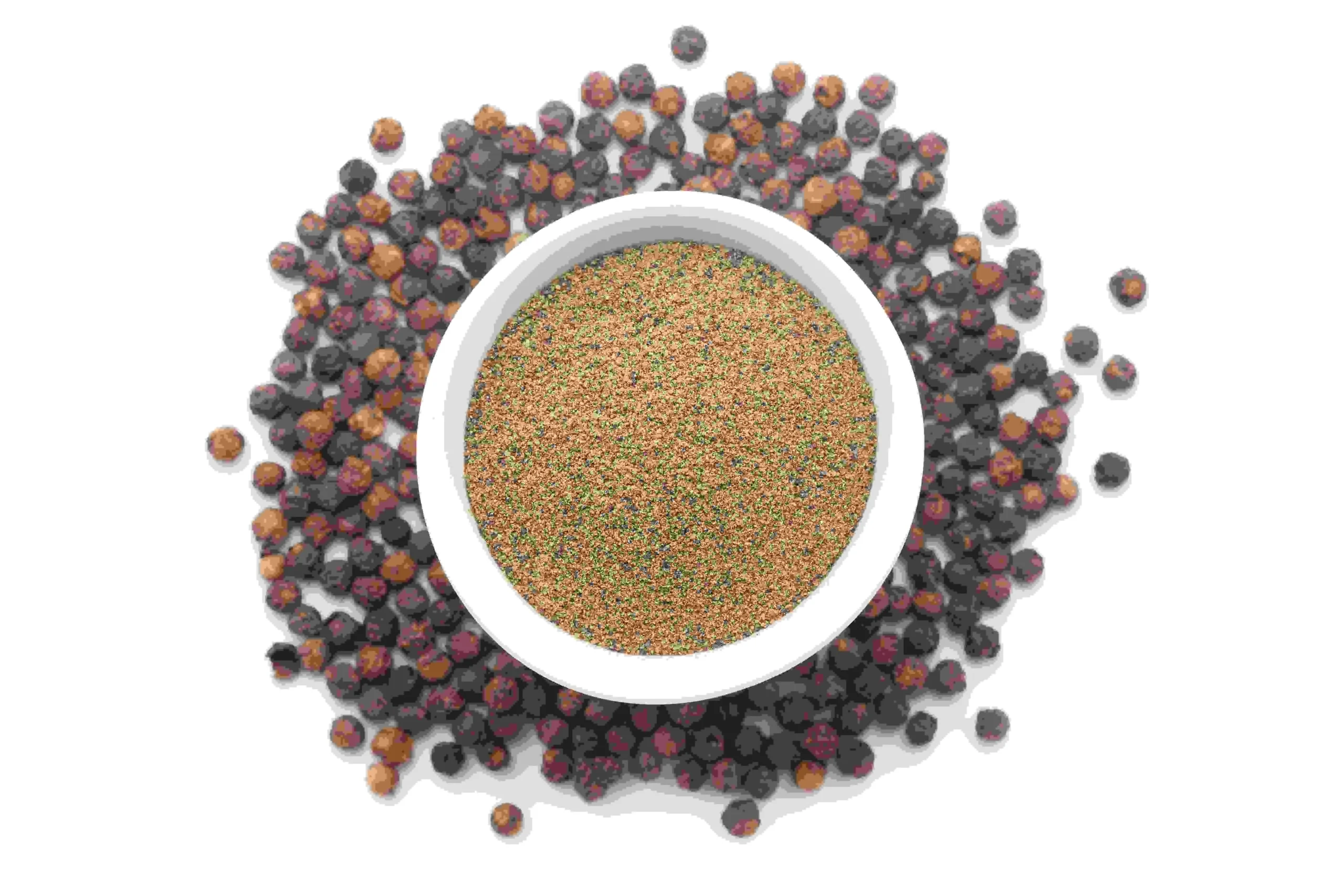
Black Pepper
Freshly ground

San Marzano
Italian tomatoes
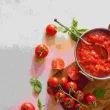
Italian tomatoes
Handmade daily
Buy Authentic Roman Ingredients
High-quality ingredients essential for preparing traditional Roman pasta dishes.
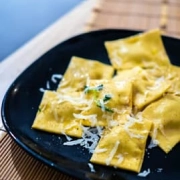
Authentic Guanciale
Premium cured pork cheek from Lazio, perfect for carbonara and amatriciana.
€12.50

Pecorino Romano DOP
Aged sheep’s milk cheese with protected origin status, ideal for classic Roman recipes.
€12.50

How to Make Carbonara: Step-by-Step
Master the perfect carbonara technique with this simple guide.
Prepare the Guanciale
Slice guanciale into small strips and cook in a pan until crispy. The rendered fat forms the base of your sauce. Remove from heat and set aside.
Pro Tip: Avoid adding oil guanciale releases enough fat. Cook on medium heat to prevent burning.
Mix Eggs and Cheese
Whisk egg yolks with pecorino romano and freshly ground black pepper. This creates a rich, creamy sauce that coats the pasta evenly.
Pro Tip: Use room temperature eggs for smoother blending. Add a little pasta water if needed.
Combine and Finish
Cook pasta al dente and reserve some pasta water. Toss pasta with guanciale off the heat, then mix in the egg mixture. Stir quickly, adding water gradually for a creamy texture.
Pro Tip: Keep the pan off heat when adding eggs to avoid scrambling. Work fast for best results.
Perfect Carbonara in 3 Easy Steps
Follow our expert technique for restaurant-quality results
Cook Guanciale
Render the fat from guanciale strips until crispy and golden. This creates the flavorful base for your sauce.
- 5 minutes
Prepare Sauce
Whisk egg yolks with pecorino romano and black pepper. This mixture becomes your creamy carbonara sauce.
- 3 minutes
Toss & Serve
Combine hot pasta with guanciale off heat, add egg mixture, and toss vigorously with pasta water until silky.
- 2 minutes
Common Roman Pasta Mistakes
Avoid these common errors to achieve authentic results every time.
Using Bacon
Avoid replacing guanciale with bacon or pancetta. Guanciale’s unique flavor is key to traditional Roman pasta dishes.
Solution: Use authentic guanciale sourced from Italian specialty stores.
Adding Cream
Classic carbonara never includes cream. The creamy texture comes naturally from eggs, cheese, and pasta water.
Solution: Use proper technique with egg yolks and pasta water for silky sauce.
Scrambled Eggs
High heat can cause eggs to scramble instead of forming a smooth sauce. Always control temperature carefully.
Solution: Remove the pan from heat, wait briefly, then add the egg mixture gradually.
Wrong Cheese
Parmesan is not traditional. Pecorino Romano provides the sharp, salty flavor essential to Roman recipes.
Solution: Always use high-quality Pecorino Romano DOP for authentic taste.
Overcooking Pasta
Overcooked pasta becomes soft and loses its texture. Perfect pasta should always be cooked al dente.
Solution: Taste pasta before the suggested cooking time and drain while still firm.
Skipping Pasta Water
Not using pasta water results in dry or uneven sauces. The starch helps bind everything together.
Solution: Reserve pasta water before draining and add gradually for the right consistency.
Avoid These Carbonara Mistakes
Learn the key mistakes to avoid for perfectly balanced results every time.
Never Add Cream to Carbonara
Traditional Roman carbonara uses only eggs, pecorino romano, guanciale, and black pepper. Cream is not part of the original recipe and alters the dish’s authentic flavor. The creamy texture should come from properly combining egg yolks with pasta water.
Don’t Replace Guanciale with Bacon
Guanciale delivers a distinct flavor and texture that bacon or pancetta cannot match. It’s essential for authentic carbonara. While substitutes may work in emergencies, using genuine guanciale gives you the true Roman experience.
Control the Temperature Carefully
Adding eggs to a very hot pan will scramble them instead of creating a smooth sauce. Always remove the pan from heat, let it cool slightly, then mix in the eggs while stirring quickly. The residual heat will cook the sauce gently.
Top Roman Pasta Restaurants in Rome
Where to enjoy authentic Roman pasta crafted by local experts


Flavio al Velavevodetto
Famous Testaccio restaurant known for classic carbonara and amatriciana. Family-run since 1967.
- Testaccio
- €€
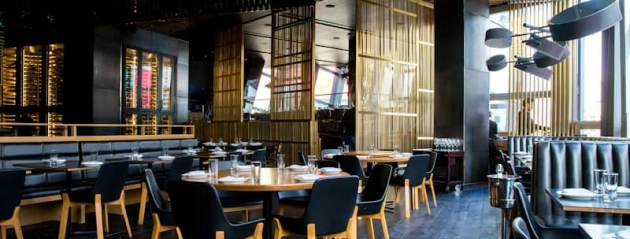
Roscioli
Popular deli-restaurant offering exceptional cacio e pepe and carbonara with premium ingredients.
- Centro Storico
- €€€

Trattoria Da Enzo
Well-loved Trastevere spot serving authentic Roman dishes in a cozy, traditional setting.
- Trastevere
- €€

Armando al Pantheon
Historic restaurant near the Pantheon offering timeless Roman pasta recipes since 1961.
- Pantheon
- €€€
Discover Authentic Roman Dining Spots
Premium restaurants serving traditional Roman pasta and local specialties

Flavio al Velavevodetto
- Via di Monte Testaccio, 97
- +39 06 574 4194
4.8 (1,245 reviews)
A renowned Testaccio favorite since 1967, Flavio is known for its rich carbonara and amatriciana. This family-run trattoria focuses on traditional recipes and locally sourced ingredients, offering a true taste of Roman hospitality.
Carbonara €14
Amatriciana €13
Cacio e Pepe €12
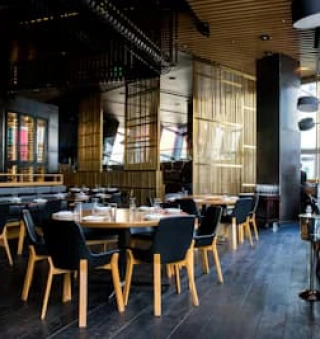
Roscioli Salumeria con Cucina
- Via dei Giubbonari, 21
- +39 06 687 5287
4.9 (2,890 reviews)
A celebrated deli and restaurant famous for elevated Roman classics. Roscioli carefully selects premium pecorino and guanciale, delivering refined dishes that showcase authentic flavors with a modern touch.
Cacio e Pepe €18
Carbonara €20
Wine Pairing €15
Learn from Proofessinal Roman Chefs
Free video lessons showcasing authentic Roman pasta techniques
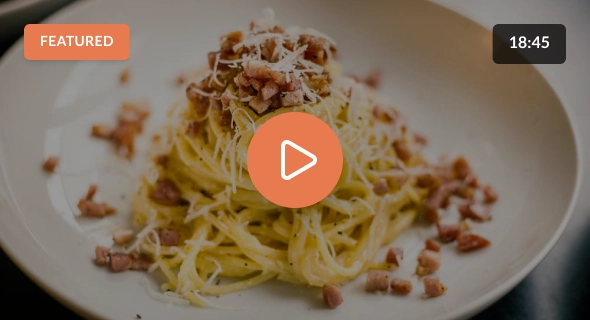
Classic Carbonara Masterclass
Discover every step of making authentic carbonara, from choosing quality ingredients to achieving a smooth, creamy texture without cream.
- Testaccio
- 19K views
- 18 mins

Cacio e Pep Techniques Explained
Master the balance behind Rome’s simplest yet most challenging pasta. Learn how to create a perfect creamy sauce using just cheese and pasta water.
- 267K views
- 14K likes
- 12 mins
Gricia Recipe
8–15 mins
The classic “white amatriciana” made with guanciale and pecorino cheese.
Gricia Recipe
8–15 mins
A traditional Roman pasta highlighting rich guanciale and sharp pecorino flavors.
Gricia Recipe
8–15 mins
Simple yet flavorful pasta combining cured pork cheek with aged cheese.
The History of Roman Pasta
Roman pasta traditions date back generations, shaped by local ingredients and simple cooking methods passed down through families. The four iconic Roman dishes carbonara, cacio e pepe, amatriciana, and gricia reflect the essence of cucina povera, where humble ingredients are transformed into rich, satisfying meals.
Each recipe has roots in Rome’s culinary past. Carbonara rose to popularity in the mid-20th century, while cacio e pepe traces back to shepherds who relied on cheese and pepper for nourishment. Amatriciana originates from the town of Amatrice, and gricia is often seen as its earlier version without tomatoes.
Today, these dishes are celebrated worldwide but remain deeply tied to Roman culture. Chefs and home cooks continue to honor traditional techniques, ensuring these recipes are preserved and enjoyed for generations to come.
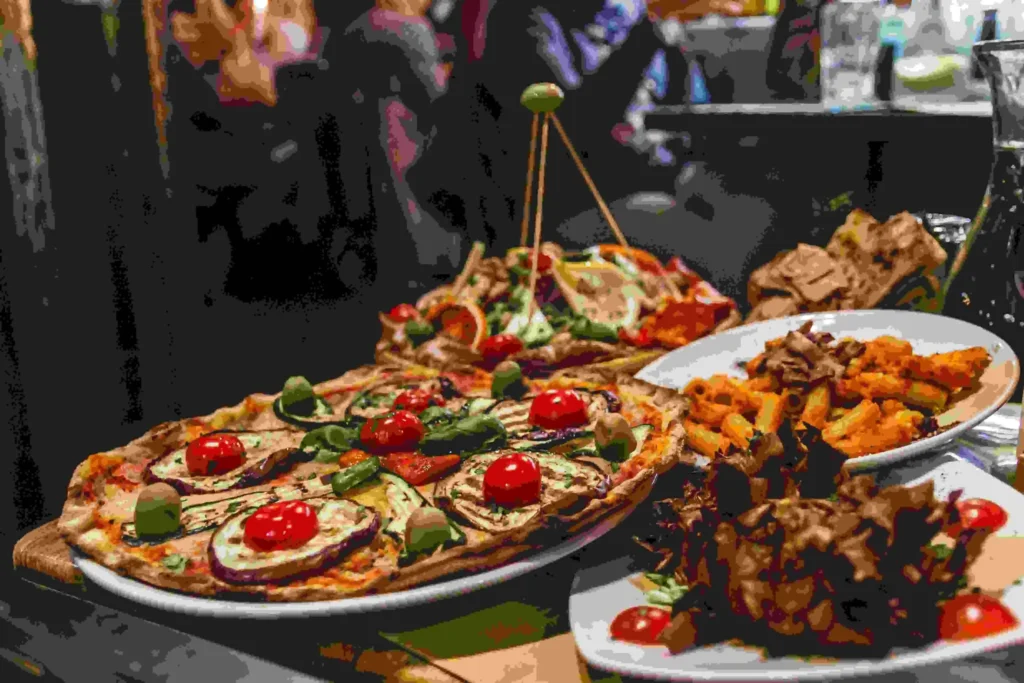
Expert Roman Pasta Cooking Tips
Professional techniques to achieve authentic results every time
Save Pasta Water
Always keep at least a cup of starchy pasta water before draining. This helps bind sauces and creates a smooth, creamy texture for dishes like carbonara and cacio e pepe.
Control the Temperature
Remove the pan from heat before adding egg-based sauces. The remaining heat gently cooks the eggs without scrambling. Let it cool for about 30 seconds before mixing.
Cook Al Dente
Boil pasta slightly less than the package instructions. It should be firm when bitten, as it will finish cooking when combined with the sauce.
Choose Quality Pecorino
Use freshly grated Pecorino Romano DOP instead of pre-packaged cheese. Grate just before use for better flavor and melting. Keep it at room temperature.
Cook guanciale over medium-low heat to release its fat gradually. It should become crisp and golden without burning, usually within 5–7 minutes.
Toss with Energy
When mixing pasta with sauce, toss quickly and continuously. This helps emulsify the sauce and evenly coat every strand for the best texture.
Origins of Roman Pasta Traditions
Explore the rich history behind Rome’s most iconic pasta dishes
Carbonara: A Modern Classic
Although widely loved today, carbonara is relatively recent in Roman culinary history. It likely appeared in the mid-20th century, with theories linking it to charcoal workers or post-war influences. Regardless of its origin, carbonara has become one of Rome’s most famous dishes. Traditional recipes remain strict, using only guanciale, pecorino romano, eggs, and black pepper. Cream and other variations are considered non-authentic additions.
Cacio e Pepe: A Shepherd’s Dish
Cacio e pepe is one of the oldest Roman pasta recipes, created by shepherds who needed simple, durable ingredients during long journeys. With just pasta, pecorino cheese, and black pepper, they crafted a nourishing and flavorful meal. The real challenge lies in technique creating a creamy sauce using only cheese and pasta water requires precision and practice.
Amatriciana: From Amatrice to Rome
Amatriciana originated in the town of Amatrice in the Lazio region and later became a staple of Roman cuisine. Traditionally made with guanciale, pecorino, tomatoes, and sometimes white wine, it evolved as it spread to Rome. In 2020, the dish received official recognition as a Traditional Specialty Guaranteed (TSG). Following the 2016 earthquake in Amatrice, many restaurants honored the dish as a tribute to the region.
Master Roman Pasta Techniques
Essential techniques every home cook should understand
Quality Ingredients
Choose authentic ingredients like Pecorino Romano DOP, guanciale, and bronze-cut pasta to achieve true Roman flavor and texture.
Timing is Key
Prepare all ingredients before cooking begins. Roman pasta recipes move quickly and require precise timing for perfect results.
Practice Makes Perfect
Don’t worry if your first attempt isn’t flawless. Traditional pasta techniques improve with consistency and hands-on practice.
The Golden Rules of Roman Pasta
- Never rinse pasta after cooking – starch helps bind the sauce
- Finish cooking pasta in the sauce, not separately
- Use a large pot with enough water for even cooking
- Salt your pasta water well – it should taste slightly salty
- Serve immediately – pasta is best enjoyed fresh
- Follow traditional methods – simplicity creates the best flavor
Join Our Roman Pasta Community
Connect with passionate food lovers, explore recipes, and learn from expert chefs
Newsletter
Receive weekly recipes, cooking tips, and special offers for classes straight to your inbox.
Facebook Group
Join 15,000+ members sharing cooking ideas, asking questions, and celebrating authentic Roman cuisine together.
Follow us for daily pasta inspiration, behind-the-scenes moments, and highlights from Roman food culture.
Ready to Master Roman Pasta?
Book a hands-on cooking class in Rome and learn from experienced chefs in authentic Italian kitchens.
Begin Your Roman Pasta Journey Today
Join thousands of home cooks and food enthusiasts learning authentic Roman cuisine
Subscribe to Our Newsletter
Get authentic Roman recipes, cooking tips, class discounts, and Rome food culture insights delivered weekly
- YouTube