

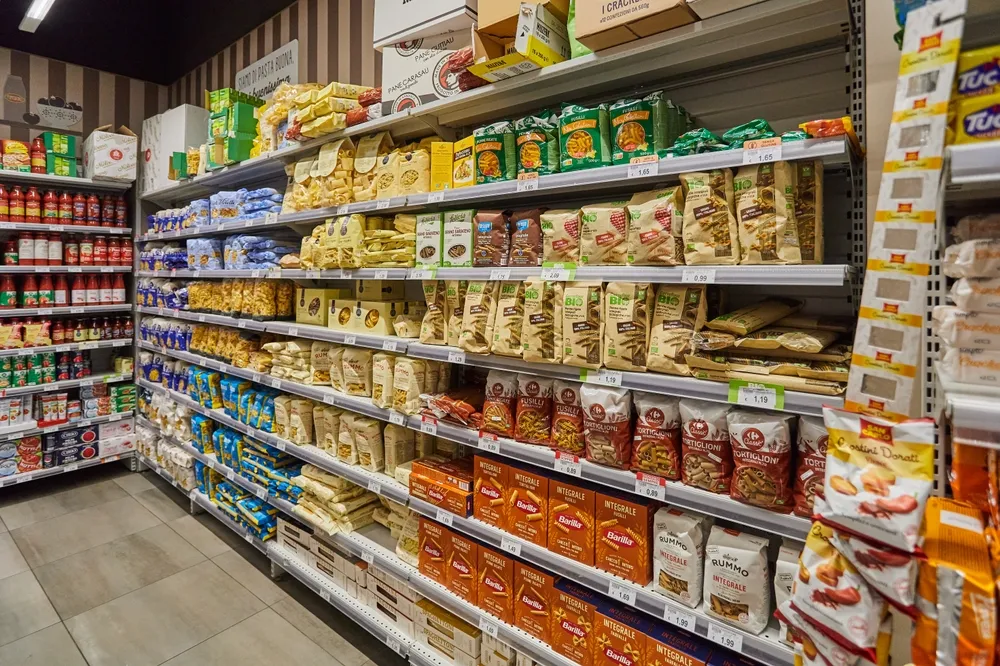
If you want to cook authentic Roman pasta, your journey doesn’t start in the kitchen it starts at the market. In Rome, food markets are more than just places to shop. They are part of daily life, where locals gather, chefs source their ingredients, and traditions are kept alive.
From fresh pecorino to high-quality guanciale, the right ingredients make all the difference. And there’s no better place to find them than Rome’s local markets.
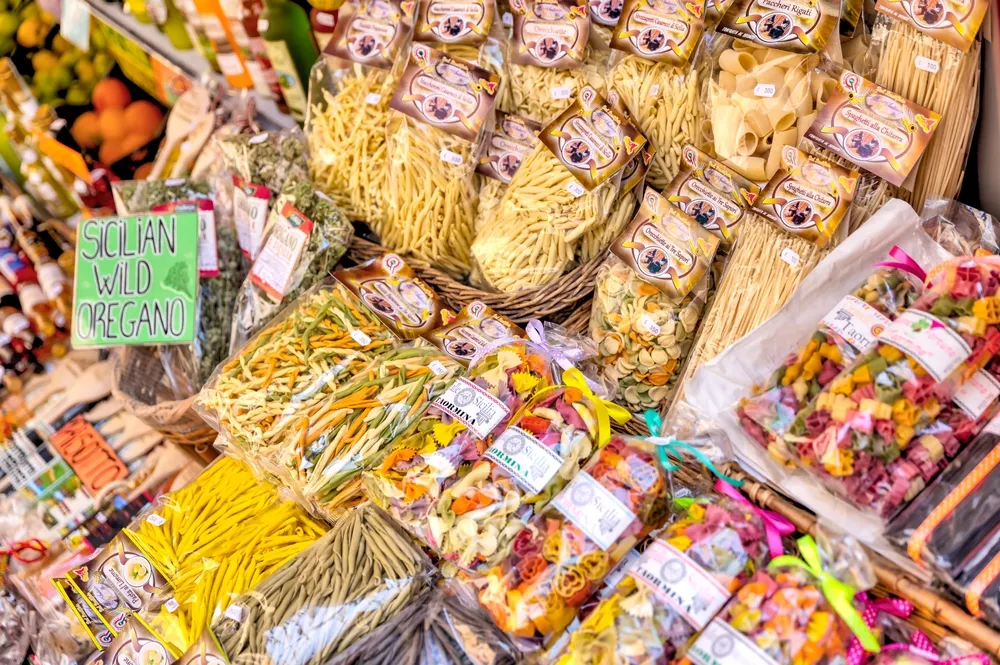
Why Markets Matter in Roman Cooking
Roman cuisine is built on simplicity. Most dishes use only a few ingredients, which means quality is everything.
Unlike supermarkets, local markets offer:
- Fresh, seasonal products
- Locally sourced ingredients
- Better flavor and authenticity
When you buy from markets, you’re not just getting ingredients you’re getting the foundation of real Italian cooking.
Mercato Centrale – A Food Lover’s Starting Point
Located near Termini Station, Mercato Centrale is one of the most accessible markets in Rome.
What You’ll Find
- Artisan cheeses like Pecorino Romano
- Fresh pasta and flour
- Local cured meats including guanciale
- Ready-to-eat Roman dishes
This market combines traditional ingredients with a modern food hall experience, making it perfect for beginners exploring Roman food culture.
Campo de’ Fiori – Rome’s Historic Market
One of the oldest markets in the city, Campo de’ Fiori offers a classic Roman atmosphere.
What Makes It Special
- Open-air setting
- Fresh fruits and vegetables
- Spices and dried goods
- Local vendors with decades of experience
While it can get busy with tourists, early mornings are the best time to experience it like a local.
Testaccio Market – The Heart of Roman Cuisine
If you’re serious about food, Testaccio Market is where you need to go.
Testaccio is known as the birthplace of Roman cuisine, and this market reflects that heritage.
What to Buy Here
- High-quality guanciale
- Authentic Pecorino Romano
- Fresh eggs for pasta
- Seasonal vegetables
The vendors here are passionate and knowledgeable, often happy to share cooking tips and recommendations.
What Ingredients to Look For
When shopping for pasta ingredients, focus on quality over quantity.
Essential Ingredients
- Pecorino Romano DOP – for authentic flavor
- Guanciale – for richness and depth
- Fresh eggs – for texture and color
- Durum wheat pasta or flour – for structure
These ingredients are the backbone of Roman pasta recipes like carbonara, cacio e pepe, and amatriciana.
Tips for Shopping Like a Local
Shopping in a Roman market is an experience in itself. Here are a few tips to make the most of it:
Go Early
The best products sell out quickly, so mornings are ideal.
Ask Questions
Vendors are usually happy to help and may even suggest how to use their products.
Observe Before Buying
Take a moment to see which stalls locals prefer it’s often a sign of quality.
Taste When Possible
Many vendors offer samples. Use this opportunity to choose the best ingredients.
Why Fresh Ingredients Make a Difference
Even if you’re not in Rome, you can apply the same approach:
- Choose fresh, high-quality ingredients
- Buy from trusted sources
- Focus on authenticity
The goal is to respect the simplicity of Roman cooking.
Bringing the Market Experience Home
Even if you’re not in Rome, you can apply the same approach:
- Choose fresh, high-quality ingredients
- Buy from trusted sources
- Focus on authenticity
The goal is to respect the simplicity of Roman cooking.
Final Thoughts
Rome’s markets are more than places to shop they are a gateway to understanding Italian food culture. By choosing the right ingredients and learning how to use them, you can bring authentic Roman flavors into your own kitchen.
If you ever visit Rome, make time to explore these markets. It’s one of the most rewarding experiences for any food lover.
It’s not about being strict. It’s about understanding how traditional recipes work.