

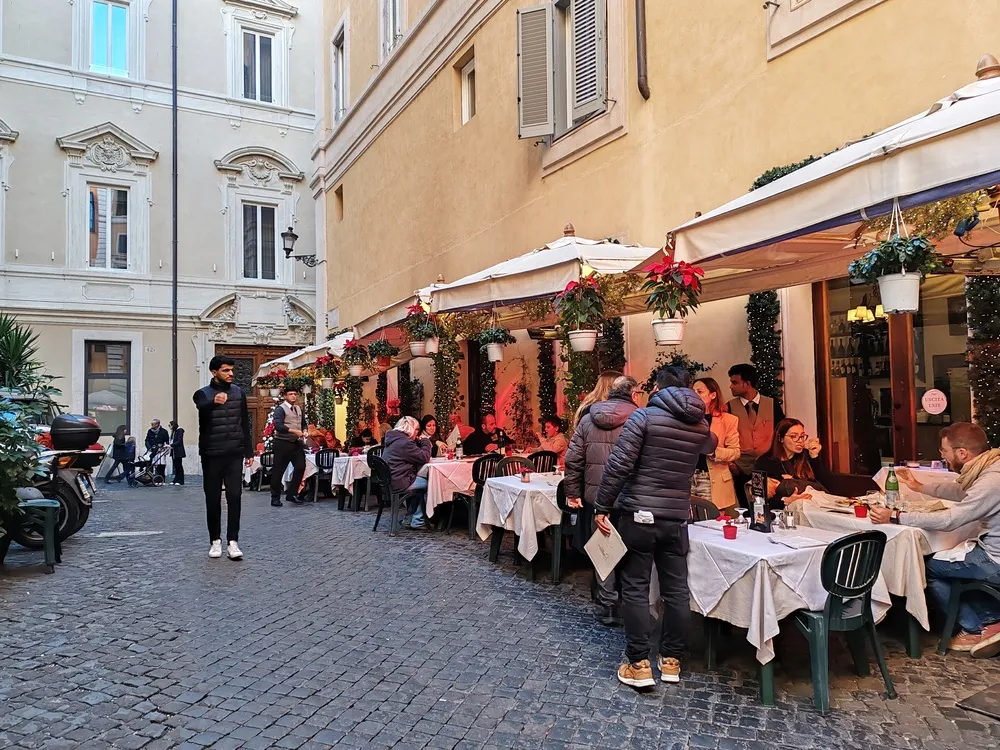
If you really want to understand Roman food, you need to go beyond the obvious. The restaurants you see near major landmarks may look inviting, but they rarely represent the true taste of Rome. The real magic happens in small, tucked-away trattorias places where locals return again and again.
These are the kitchens where tradition is preserved, recipes are respected, and food is treated seriously without being complicated.
Why Touristy Restaurants Often Miss the Mark
It’s easy to fall into a tourist trap, especially in a city like Rome. Restaurants near popular attractions often adjust their menus to suit international tastes.
That usually means:
- Cream added to carbonara
- Bacon replacing guanciale
- Pre-made sauces instead of fresh preparation
While the food might still be enjoyable, it’s not authentic. Roman cuisine is built on simplicity, and altering ingredients changes the entire experience.
What Makes a Trattoria Truly Authentic
A real Roman trattoria doesn’t try to impress it simply delivers honest food.
Signs of a Good Trattoria
- A short, focused menu
- Seasonal dishes
- Locals dining regularly
- Handwritten or simple menus
You won’t find flashy presentations or long ingredient lists. Instead, you’ll find dishes prepared the same way they’ve been for generations.
Best Neighborhoods to Explore
If you’re looking for authentic trattorias, location matters. Move away from crowded tourist areas and explore neighborhoods where locals actually live.
Trastevere
Known for its charm and narrow streets, Trastevere offers a mix of traditional and modern trattorias. Some spots are touristy, but hidden gems still exist if you explore deeper.
Testaccio
Often considered the heart of Roman cuisine, Testaccio is where many classic dishes originated. This is one of the best areas to experience authentic Roman food.
San Lorenzo
Less crowded and more local, San Lorenzo offers a relaxed atmosphere with affordable, high-quality food.
What to Order for a True Roman Experience
When dining at a trattoria, stick to classic Roman dishes. These recipes define the city’s food culture.
Carbonara
Made with eggs, pecorino romano, guanciale, and black pepper nothing else.
Cacio e Pepe
A simple combination of cheese and pepper, perfectly balanced with pasta water.
Amatriciana
A rich tomato-based sauce with guanciale and pecorino.
Gricia
Often called the “original carbonara,” made without eggs or tomatoes.
Ordering these dishes is the best way to judge the quality of a trattoria.
How to Find Hidden Trattorias
Finding the right place takes a bit of effort, but it’s worth it.
Walk Away from Tourist Zones
The further you go from major landmarks, the better your chances of finding authentic food.
Observe the Crowd
If locals are dining there, it’s a good sign.
Avoid Overly Aggressive Staff
Restaurants that actively try to pull you in are usually targeting tourists.
Check Opening Hours
Many authentic trattorias close between lunch and dinner. This is normal in Italy.
Why Simplicity Matters in Roman Cuisine
Roman food is built on a philosophy of doing more with less. Instead of complex recipes, the focus is on:
- High-quality ingredients
- Proper technique
- Balance of flavors
That’s why a simple plate of pasta can feel unforgettable when done right.
The Real Roman Dining Experience
Eating in a trattoria is about more than just food. It’s about atmosphere, conversation, and rhythm.
Meals are unhurried. Portions are generous. And the focus is always on enjoying the moment.
You won’t feel rushed, and you won’t find unnecessary extras—just honest food served with care.
Final Thoughts
If you want to experience Rome like a local, skip the obvious choices and explore the hidden corners of the city. The best meals aren’t always listed in guide books they’re found through curiosity and a willingness to wander.
Once you discover a true Roman trattoria, you’ll understand why these places are so special. It’s not just about what’s on the plate it’s about tradition, simplicity, and authenticity.